
Sauna Technology Compared
Understand the key differences between the two saunas for better results.
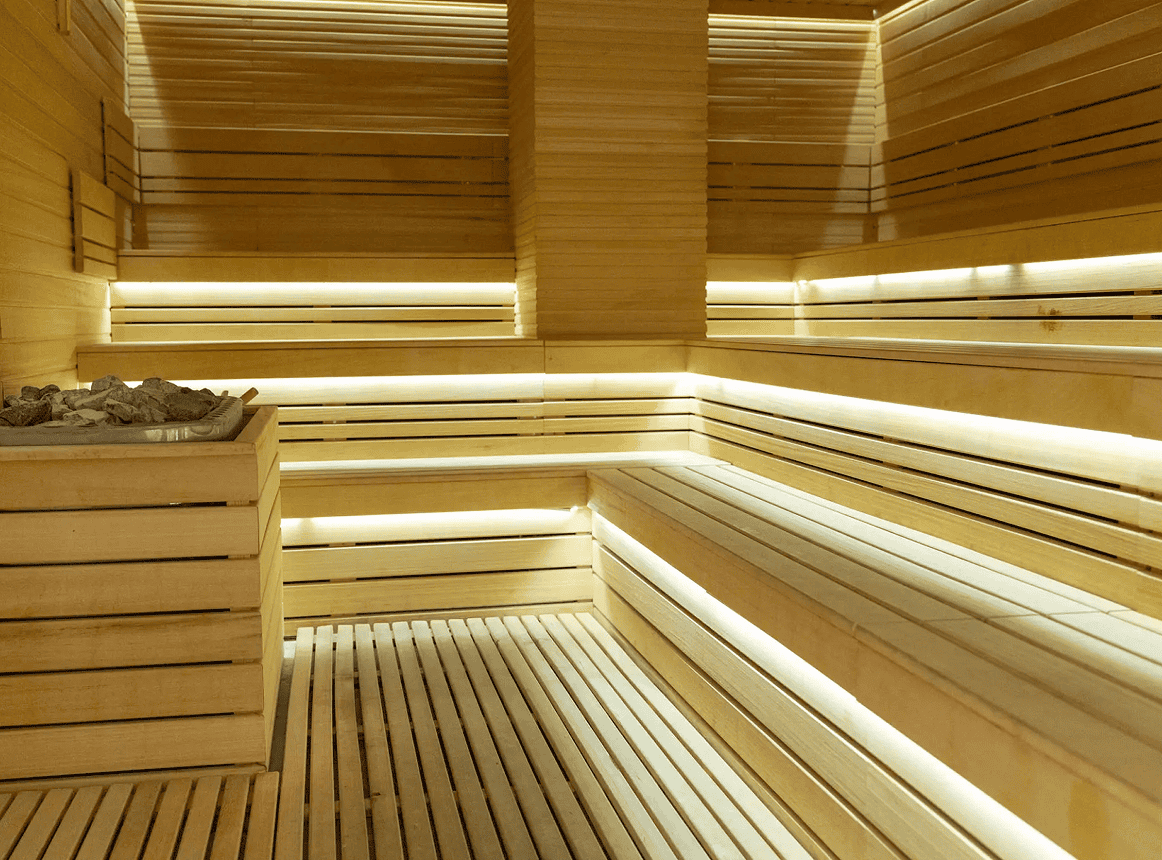
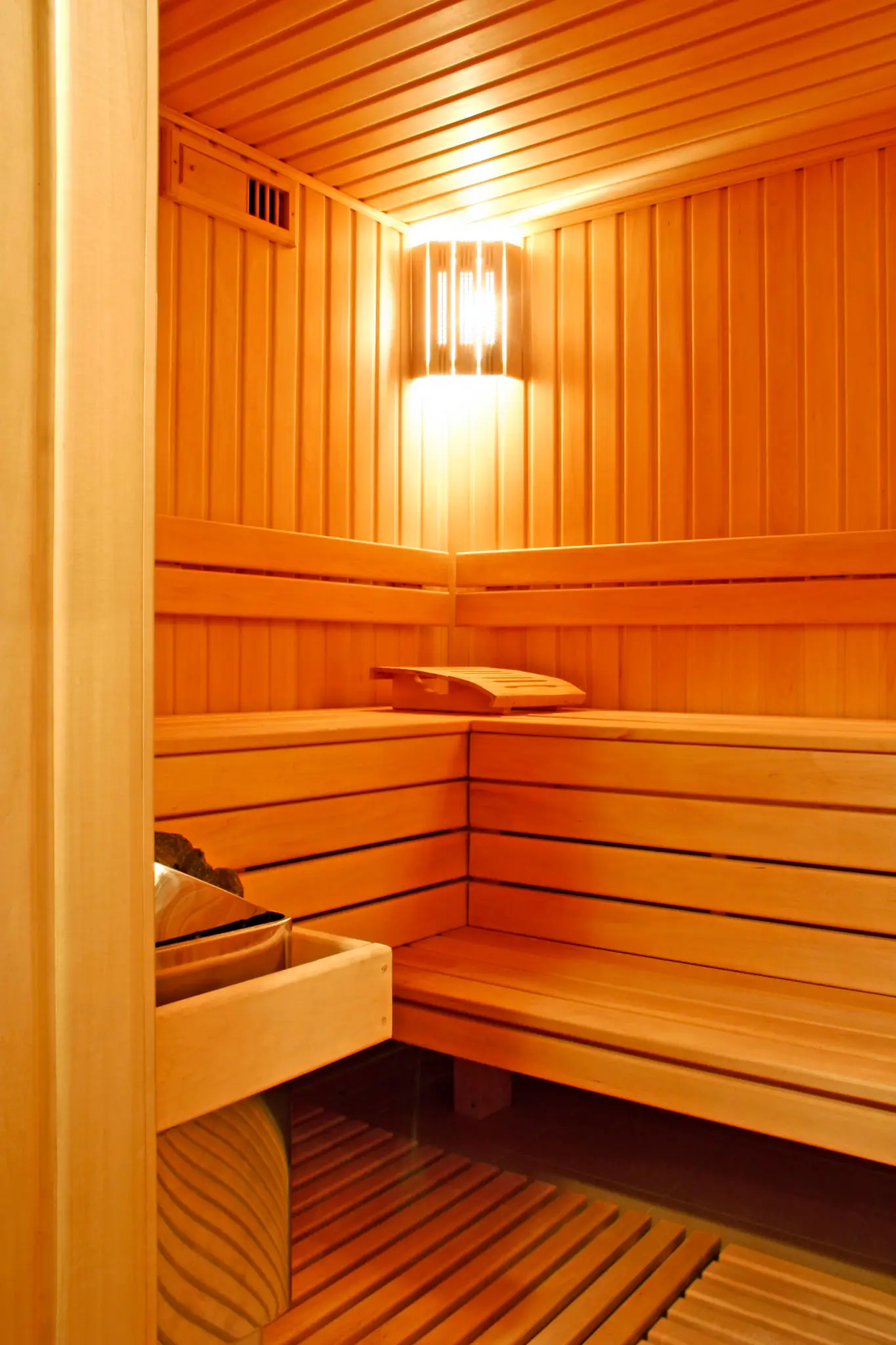
Traditional Dry Heat Saunas
vs. Infrared Saunas

Traditional
Traditional Sauna heats the air while seated in an elevated position within the hottest zone, well above the heat source. Traditional sauna is an outstanding tool for Heat Adaptation. The 20+ year Kuopio Ischaemic Heart Disease Risk Factor Study followed 2,315 participants using traditional Finnish dry heat saunas. No infrared saunas were included, making Traditional the leading long-term supported method for outstanding Longevity, Cardiopulmonary benefits, Heat Adaptation and many others.
-
Infrared Saunas
Infrared saunas heat the body directly instead of heating the air. Lower temperatures allow longer sessions, and some studies suggest increased toxin removal through sweat. Easier installation and strong marketing have fueled their growing popularity.
-
Electrical Requirements
Smaller infrared units can run on a dedicated 20A 110V circuit, while traditional saunas and larger infrared models require 220/240V. Many lower-priced "low EMF" infrared units may still produce noticeable electromagnetic fields.
-
Duration
Traditional sauna sessions last 10-25 minutes, while infrared sessions often require 30-60 minutes. For firefighters, a traditional shower-sauna-shower protocol can reduce recovery time by nearly 50%.
Traditional First
The sauna industry is largely unregulated. Firehouse Wellness chooses traditional dry heat saunas using American Made products. Our Made in the USA sauna stove is a 6KW Scandia model. Scandia Manufacturing has made sauna stoves since 1964. Traditional is backed by the strongest long-term research and proven real-world performance.
-
Starting With Traditional Saunas
At Firehouse Wellness, we continue to evaluate new research. Infrared may prove beneficial for post-fire detoxification, but today's strongest evidence supports traditional dry heat. We'll continue to advance, educate, and advocate for firefighter wellness.